
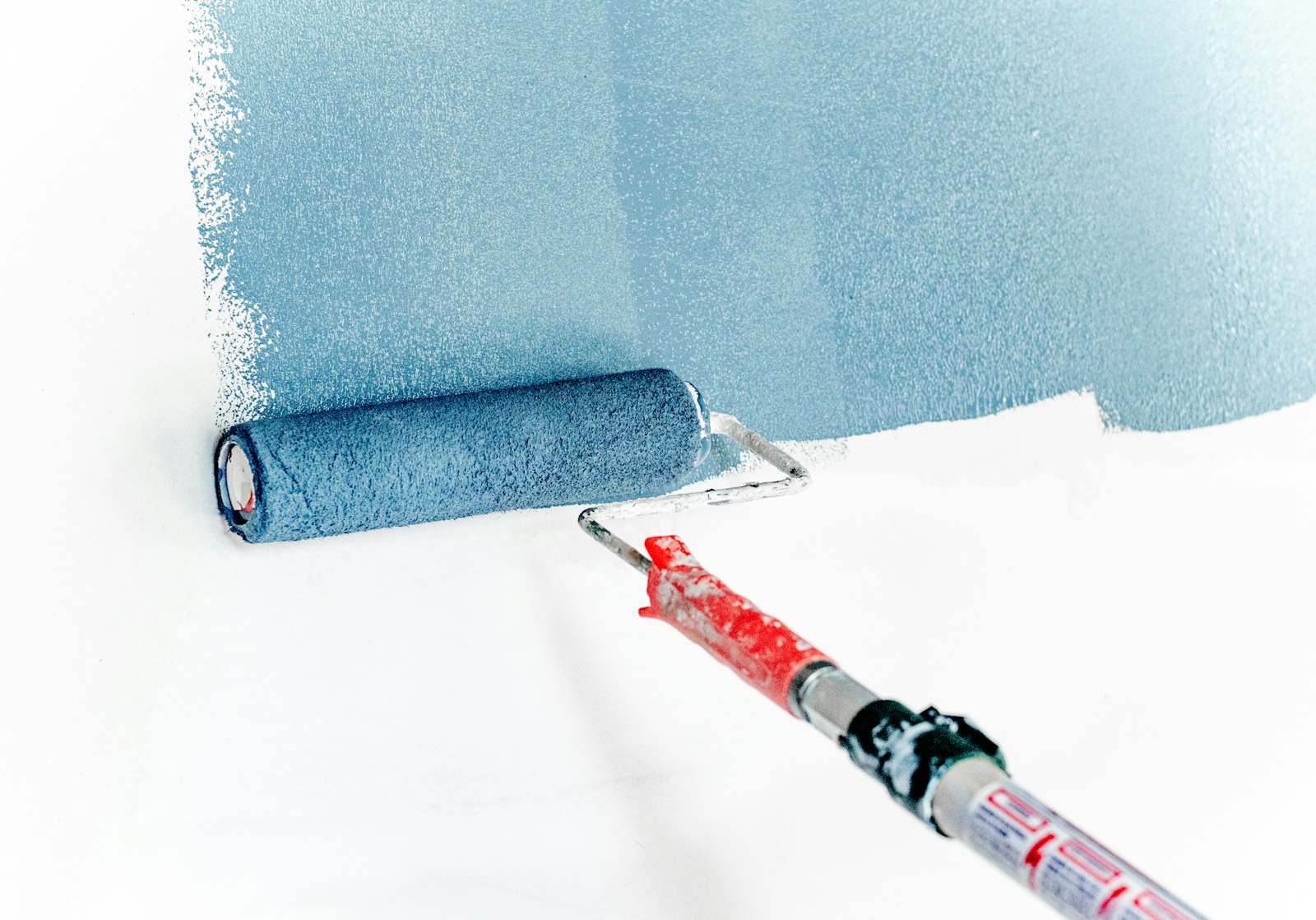
Damp treatment on the Costa Blanca
Rising damp, roof leaks, indoor condensation and salt-air efflorescence. Diagnosis before any action.
What our service includes
Four commitments that set a professional job apart.
Technical diagnosis
We identify the real source of damp before proposing treatment.
Right treatment
Chemical injection, exterior waterproofing, breathable coating or ventilation by diagnosis.
Damage repair
Removal of damaged coating, salt neutralisation and compatible paint system.
5-year warranty
Formal warranty on the treatment. If damp returns at the same point, we come back.
Identify the real source, don’t mask the symptom
The most common mistake with damp is repainting the affected wall. Works the first month, then damp returns worse than before, because the new paint creates a barrier trapping water inside the wall. Damp doesn’t cure with paint. It cures by identifying the water source and cutting it at its entry point. Only then is the wall repaired with proper technique and repainted.
There are four damp types we routinely see on the Costa Blanca, each with different cause, diagnosis and treatment. Mixing them up inevitably leads to ineffective treatments and wasted money. That’s why we always start with a technical diagnosis visit before quoting anything. The difference between properly and poorly treating damp changes durability from five years to six months.
Rising damp
Damp climbing up walls from the floor through capillary action of porous materials. Shows as a damp patch on ground floor up to a metre from the floor, often with white efflorescence (salts crystallising as water evaporates). Typical in older ground-floor homes, especially areas with high water table near the sea.
Treatment is chemical barrier injection. We drill small holes at the base of the wall at regular intervals and inject a resin that penetrates and forms a horizontal impermeable barrier. That barrier stops water rising further by capillarity. Above the barrier, we can repair and repaint with breathable paint system. We warrant the treatment for 5 years.
Roof or facade leaks
Water entering from outside through defects in flat-roof waterproofing, badly sealed structural joints or degraded exterior paint. Shows as stains on ceilings or upper walls, often coinciding with rain.
Treatment must address the water source, not the indoor symptom. If the roof is degraded, the whole waterproofing must be renewed with new bitumen membrane or sprayed liquid polyurethane. If the facade has structural cracks, sealed with elastic compound and repainted with specific facade paint covering microcracks. Only after exterior tightness is guaranteed do we repair the inside wall.
Condensation
Damp formed when interior air laden with vapour hits a cold surface. Typical in kitchens and bathrooms without proper ventilation, also in rooms exposed to north-facing facades that get colder in winter. Shows as water droplets on glass, cold corners of rooms, black mould stains in cold wall zones.
Treatment is proper ventilation combined with internal thermal insulation. Bathroom and kitchen extractor fan installation with correct flow, cross-ventilation of rooms, and in serious cases of very cold walls, internal insulation with sprayed cork or sandwich panel. Without solving the cause (vapour with nowhere to go), any paint applied turns black again.
Marine salt efflorescence
Specific to first-row coastal homes. Salt deposits on outer walls, penetrates with damp, and emerges on evaporation forming white or bluish stains that flake the paint from inside. Treatment is washing with specific chemicals, neutralising remaining salts with anti-efflorescence products, and applying siloxane-type paint system that lets the wall breathe without letting water in.
Areas we work in
Fast and professional service throughout the Vega Baja and beyond
FAQ
How to tell rising damp from a leak?
Rising damp: stain rises from floor up to a metre, white efflorescence. Leak: stain comes down from ceiling or upper corners, coincides with rain.
How much is chemical injection?
Depends on linear metres of affected wall. Fixed quote after diagnosis visit, no obligation.
How long does the treatment last?
We warrant chemical injection 5 years in writing. In practice 15-20 years or more if done properly and no new source appears.
Do I need to empty the room?
For chemical injection and inside-wall repair yes, at least move furniture from the affected wall. We use protective plastic to minimise dust.
Do you paint with breathable products?
Yes, specific paint system for damp walls: anti-salt sealing primer, microporous breathable paint that lets the wall breathe.
Other painting & masonry services
Ready to fix your problem?
Call us, message us on WhatsApp or request a quote online — we reply in under 10 minutes during business hours.