
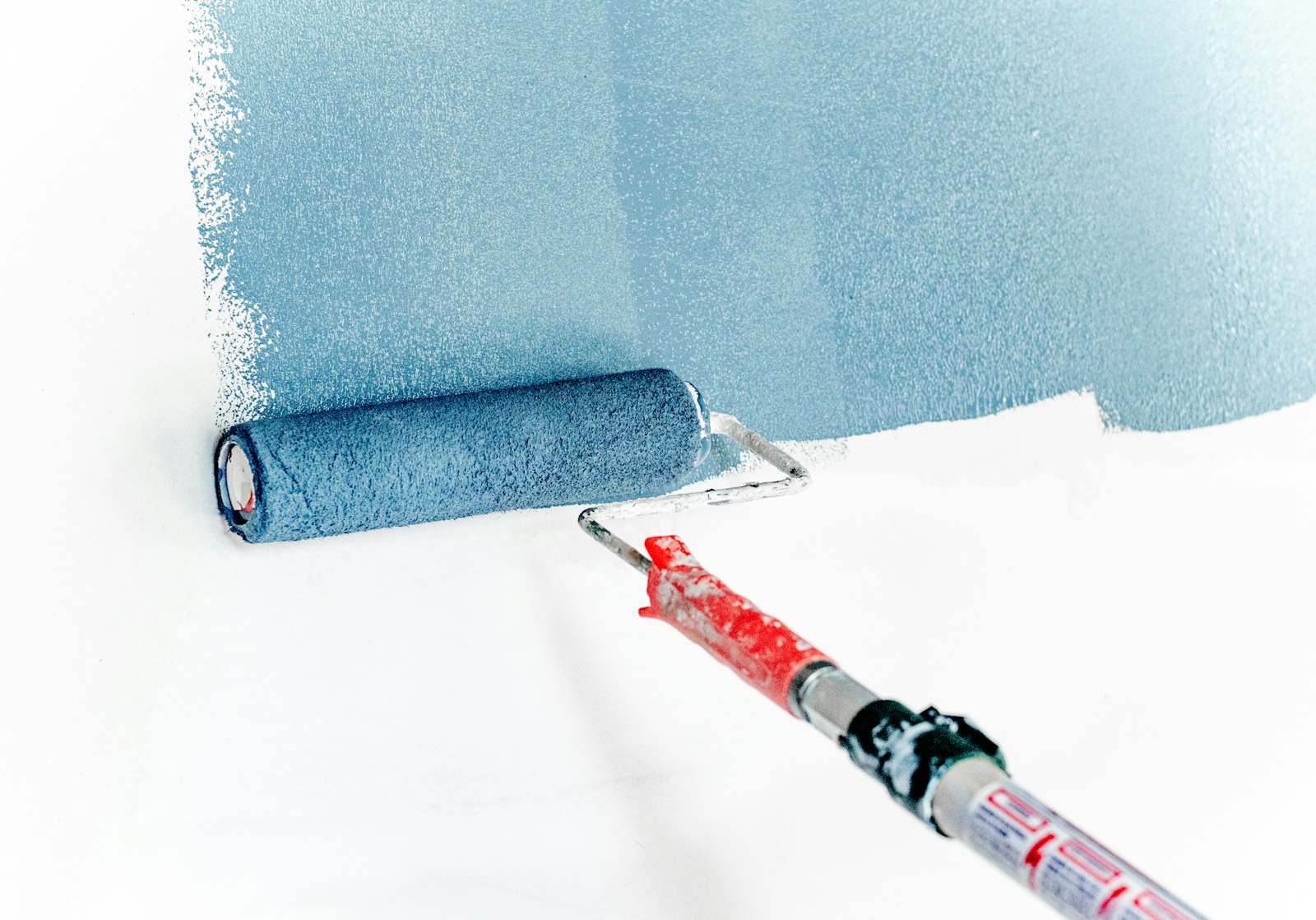
Interior painting on the Costa Blanca
Matt and satin emulsion, synthetic enamel, textured ceiling smoothing and proper wall preparation. Pro finish, no botched jobs.
What our service includes
Four commitments that set a professional job apart.
Site visit and measure
We measure surfaces, assess wall condition and pick the right paint for each room’s use.
Prep and paint
Floors and furniture covered, holes filled, sanded, primed and at least two coats applied.
Clean finish
Precise edges with masking tape, enamel sprayed or short-pile roller, never brush.
30-day warranty
Finish defects: we come back at no cost to fix them.
Refreshing the white in the living room changes more than you’d think
One of the most frequent calls we get in autumn-winter is from owners who haven’t painted the home they live in for eight or ten years and realise the walls aren’t white anymore, they’re a hard-to-pin-down grey-yellow. Mediterranean light is brutal on walls. Cheap whites yellow from slow oxidation, especially in rooms with direct sun or near a kitchen where steam and airborne oil reach. Furniture marks, splashes accumulated over time and small corner knocks all add up.
When you repaint with proper white emulsion in two coats, the room changes radically and the effect goes beyond aesthetics. The sense of space grows. Light reflects better off the walls, so you need less artificial light. Furniture looks cleaner by contrast. And, simply, living in an up-to-date painted home feels different from one overdue for a refresh. A modest investment with disproportionate impact on daily wellbeing.
Paint types and where they go
Matt emulsion is the standard for ceilings and walls of bedrooms, living rooms and dining rooms. Uniform reflection-free finish, hides substrate imperfections, easy to apply. For high-traffic areas (corridors, stairs, hallway) and kids’ bedrooms where walls get dirtier, we recommend washable satin emulsion, slight sheen but lets you wipe stains with a damp cloth without damaging the paint.
For wet zones (kitchens, bathrooms) there are specific anti-damp and anti-mould emulsions that resist condensation and vapour without generating black mould stains. Application needs primer with fungicide if the wall already has mould traces.
For doors, frames, skirting and any interior carpentry, synthetic or water-based enamel. Water-based acrylic is what we use most today: fast-drying, no solvent smell, washable, durable. Applied with spray or very-short-pile roller for smooth finish. Never brush on large surfaces because it leaves marks.
Textured ceiling smoothing
70s, 80s and 90s homes on the Costa Blanca often have textured (gotelé) ceilings and walls. A textured relief coating standard at the time, now dated, perceived by current buyers as old-fashioned. Smoothing the texture restores modern flat walls and allows any decor.
The process is labour-intensive. We apply thick levelling compound over the texture and let it partially dry. We sand with orbital sander until the surface is fully flat. We apply sealing primer and two coats of emulsion. Sanding generates considerable dust, so we cover the whole room with plastic before starting and vacuum carefully at the end. A standard 15 m² room smoothed and painted takes 2-3 days.
Pro process versus botched
People often say painting is easy. True, anyone can pick up a roller. The difference between amateur and pro result is in the steps before and after that the amateur skips. Covering furniture, floors and skirting with proper plastic. Applying precise masking tape on edges and corners. Filling small holes and cracks with specific compound before painting, not after. Sanding between coats for perfect finish. Applying primer where the wall needs it. Removing the tape before paint fully cures. Those details separate paint that lasts 8-10 years from paint that looks careless within a month.
Areas we work in
Fast and professional service throughout the Vega Baja and beyond
FAQ
How long to paint a home?
80-100 m² with 2-person crew, two coats: 3-4 days. Add 2-3 days if textured ceiling smoothing is needed first.
Do you cover furniture and floors?
Of course. Quality plastic, masking tape, hard board where needed. Cleaned and vacuumed at the end.
How long does paint take to dry?
Water emulsion: touch-dry 1-2 hours, recoat 4 hours. Water enamel: similar. Synthetic enamel: touch 6 hours, recoat next day.
Do you work in occupied homes?
Yes, organised by rooms so unaffected zones remain available. Water-based enamels with almost no smell allow living in during the work.
Which paint do you recommend?
Procolor, Tollens, Bruguer, Titan in pro range. Real-world coverage and durability. Cheap brands need more coats.
Other painting & masonry services
Ready to fix your problem?
Call us, message us on WhatsApp or request a quote online — we reply in under 10 minutes during business hours.